

San Francisco
Professional License
Defense Attorneys
Safeguarding Your Reputation, Career, and License.




At San Francisco License Attorney, we take immense pride in being the go-to attorneys for professional license defense. Our experienced attorney has what it takes to handle your case, no matter how complicated. If faced with a professional license denial or if there is any threat to your ability to continue practicing, contact us today.
San Francisco License Attorney
The process of obtaining a professional license is lengthy, comprising years of study and gathering professional experience. Criminal charges or misconduct allegations can make licensing boards deny, suspend, or revoke professional licenses.
Denial, suspension, or revocation of your professional license could mean the end of your career despite the hefty investment in time and money. You can protect your professional future by seeking representation from an experienced attorney.
The Individuals We Represent
At San Francisco License Attorney, we represent the following groups of professionals:
If you’re facing issues with your professional license, contact us immediately. We’re here to help!
Protect Your License Today.
Schedule a Confidential Consultation.

Our San Francisco License Attorney
Our attorney, Negin Yamini, represents many professionals, including nurses, doctors, occupational therapists, physical therapists, accountants, and others. As a trained and experienced trial lawyer, Negin adopts a strategic approach when handling license defense cases. She will take time to understand your case before tailoring a personalized defense approach. Due to her impressive track record, Negin has earned a reputation, and various licensing boards know her and understand her values. She will do everything possible to achieve the best possible outcome for your case.
Negin’s Remarkable Achievements
Some of Negin’s most remarkable achievements include the following:
- Helped a daycare operator and owner have 28 counts of battery and child abuse dismissed
- Helped a prominent optometrist have the allegations of sexual assault dismissed
- Attained a public reprimand for a nurse who was at risk of professional license revocation due to allegations of incompetence and negligence
- Probation reinstatement for a respiratory therapist who was at risk of license revocation due to allegations of dishonesty and a prior criminal conviction
- Dismissal of charges against a respiratory therapist who faced license revocation due to allegations of incompetence and gross negligence
- Obtaining probation for a registered nurse who faced license revocation due to accusations of assault and child abuse, and a previous criminal conviction.
- Fought to dismiss professional misconduct charges against an accountant accused of misrepresenting and falsifying information.
- Obtaining probation for a pharmacist facing pimping and pandering charges
- Dismissal of charges against a massage therapist facing sexual battery charges
- Obtaining probation for a dentist accused of domestic violence
The Implications Of Penal Code 23
If you are accused of an offense, Penal Code 23 permits the agency that issued you a professional license to appear in court and provide evidence against you. Some of the violations that the agency can provide evidence for include:
- Offenses that directly impact your ability to carry on your profession
- Malpractice, or
- Drug or alcohol related issues
The presiding judge can order the agency to appear in court to testify against the above issues. Penal Code 23 allows members of the state licensing agencies to show up in court to recommend a license revocation, suspension, or other punishment. They can also ask the judge to grant you probation or bail.
You should seek the services of a competent license defense attorney during the Penal Code 23 hearing. Our attorney in San Francisco, License Attorney, knows how to challenge the evidence brought by the licensing agency under this law. We will negotiate to protect your future and professional license. If necessary, we will include rehab and real substance abuse help in a probation plea. You can count on our attorney to walk with you in the following areas:
During Investigations By The Licensing Board
The board that granted your professional license will investigate if there is a claim that you committed an offense or violated the rules related to your career. You can face a fine or a citation after the investigations. The board can also file a formal accusation against you. Your offense will be posted on the website, where the public can access your information. This can have a negative influence on your future clients.
When you contact us, we will move fast at the investigation stage to stop the filing of the charges or a citation. Our competent attorneys will guide you appropriately, ensuring that you do not incriminate yourself or make decisions that can limit available defense strategies.
Fighting Citations
Challenging Formal Accusations
Fighting Interim Suspension Orders
Fighting For License Reinstatement
Fighting Rejection Of Your License Application
Making Appeals or Writs Of Mandamus

Frequently Asked Questions
The common questions we are asked at San Francisco License Attorney include:
Most license discipline issues in California are determined through a formal hearing process according to the Administrative Procedure Act (APA). This law provides for basic due process through a hearing and written notices. This often happens if demanded by the person denied a license or the licensee before an administrative law judge. It usually takes place at the office of the Administrative Hearings. Some administrative issues are addressed informally through other procedures, like an informal citation or investigation.
Unlike other forms of trials, in a formal administrative disciplinary hearing, the bureau, board, or licensing agency makes the final ruling on the case. The department, bureau, board, or licensing agency can reverse the ruling of the administrative judge even if the judge finds in a licensee’s favor.
Most attorneys have licenses, but only a few have the competency to handle professional licensing administrative cases. An attorney must frequently attend the administrative hearings to be competent to handle licensing administrative cases. He/she must also have handled several professional licensing issues.
Professional licensing administrative cases can take many years from the initial incident to a final ruling. Only a competent attorney has the knowledge of the process. An attorney who does not attend administrative hearings or appeals of adverse rulings might not have the confidence, insight, or ability to deliver on a case.
There are provisions for license reinstatement. You can restore your revoked license upon showing rehabilitation. A defendant is required to wait for a period that does not exceed three years to file a petition for reinstatement. You will not have to requalify for the license. You only need to attend an administrative hearing or appear before a licensing board at a board meeting to ask for reinstatement. Other licensing agencies can ask you to reapply for the license.
The license applicant can request the agency to look into its ruling before the ruling becomes final. Reconsideration is often a chance to review the weakness in the administrative ruling. This allows new evidence and legal arguments to draw the licensing agency’s attention. It also gives an opportunity for objections before the administrative case ends. Sometimes, the agency can stay or delay the ruling for a short period to review the petition for reconsideration. The agency can request written or verbal arguments if reconsideration is granted. This can happen before a new ruling is issued, either changing or affirming the prior ruling.
Some license denials or formal punishments result in a stipulated settlement that can inform a plea bargain. The licensing agency will drop severe disciplinary action or outright denial of a license in a stipulated settlement. This can help achieve a faster resolution of the case. The license applicant is also allowed to waive their right to a hearing to avoid potentially more severe punishment or an outright license denial after the hearing. Stipulated settlements often result from negotiation between the defendant’s attorney and the agency’s attorney.
The terms of a stipulated settlement vary depending on the agency, department, bureau, or board. Certain cases can be settled for a reprimand, but many cases are settled for probation. Often, probation involves some suspended or stayed punishment and specific duties, like treatment, community service, or classes. You risk facing a previous suspension or stay of punishment if you commit a new violation during the probationary period.
A formal administrative hearing is more of a trial. It is presided over by a judge, a court reporter, and attorneys who present the cases. A highly trained attorney represents the state agency. He/she will handle licensing issues professionally throughout the whole process. The environment is usually less formal than the superior court because a jury is not allowed. The rules of evidence, which strictly apply in civil and criminal cases, are not as strict. The following will happen during an administrative hearing:
- The evidence will be tabled.
- The witnesses are cross-examined and asked questions
- Making of closing factual and legal arguments
You will receive a flat fee or an hourly fee when you consult the San Francisco Licensing Attorney. We accept many forms of payment. This includes checks, cash, debit cards, and credit cards. We can bill your insurance company directly for your legal fees if you have license defense coverage on your errors and omissions insurance policy. Our company will do this if your carrier extends coverage to your licensing case. We will also ask your insurance company to reimburse you for your legal fees at the end of your case.
Most appeals of administrative rulings are made in the Superior Court. Also known as an appeal for writ of administrative mandamus, this process is extremely complicated. The Superior Court will demand written legal arguments and preparation of the administrative hearing record. The court will set a hearing after the written argument process. In most cases, the case will be sent back to the administrative agency with guidance from the Superior Court if the defendant wins the appeal.
Like in most criminal cases, a person denied a license or a licensee has a right to testify during the hearing, unless the Fifth Amendment rights are invoked. The licensing agency attorney will call you to serve as a witness if you fail to voluntarily testify on your own behalf. You should have a skilled license law attorney to prepare you for the hearing if you have an administrative hearing. Our San Francisco License Attorney team will take you through the questions during testimony. We will also protect you from improper or unfair questions from the prosecutor.
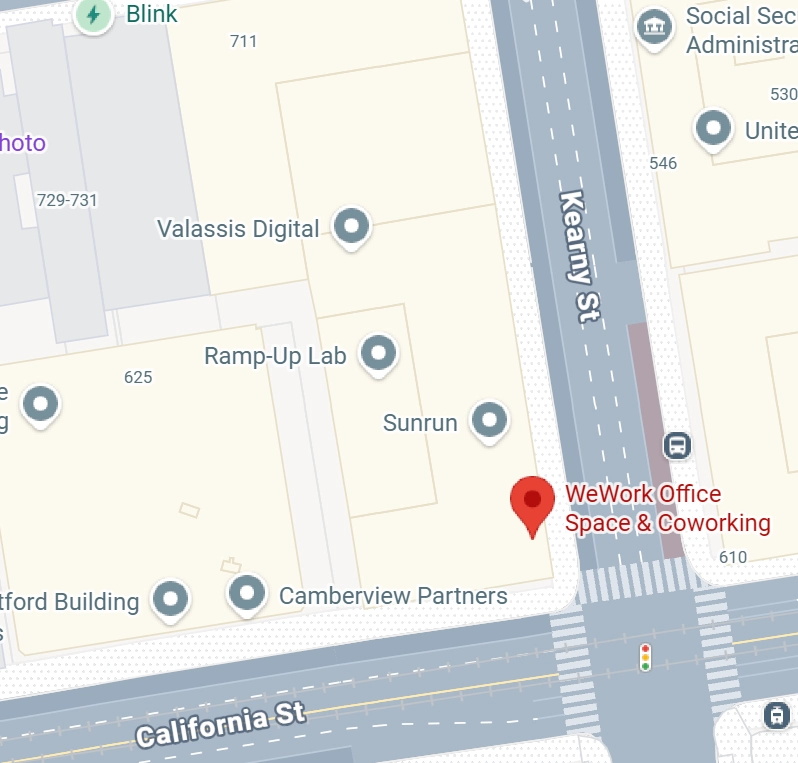
Find A Dependable License Defense Attorney Near Me
If you risk losing your professional license or the licensing board denies you a license, you should not give up. Our team at the San Francisco License Attorney has the knowledge and experience to handle your case, no matter how intricate. We understand every step of the license defense process, and you can count on our unwavering support. Our attorney helps a wide range of professionals to achieve the best possible outcomes for their license defense cases. For reliable legal representation, contact us at (415) 707-6383 to speak to our attorney.